The hardware lives inside the wall, which is why so many contractors reach straight for the drywall saw. There is usually a better way in.

Unlike a patio slider, a pocket door hangs from above. Two hangers ride in an overhead track fixed inside a split-stud wall cavity, and a small guide at the floor keeps the bottom from swinging. There is no bottom track at all.
That means when a pocket door misbehaves, the cause is almost always overhead: a worn hanger wheel, a bent or sagging track, or loose mounting hardware letting the whole assembly drop. The symptom you notice at the floor is a consequence of something happening at the ceiling.
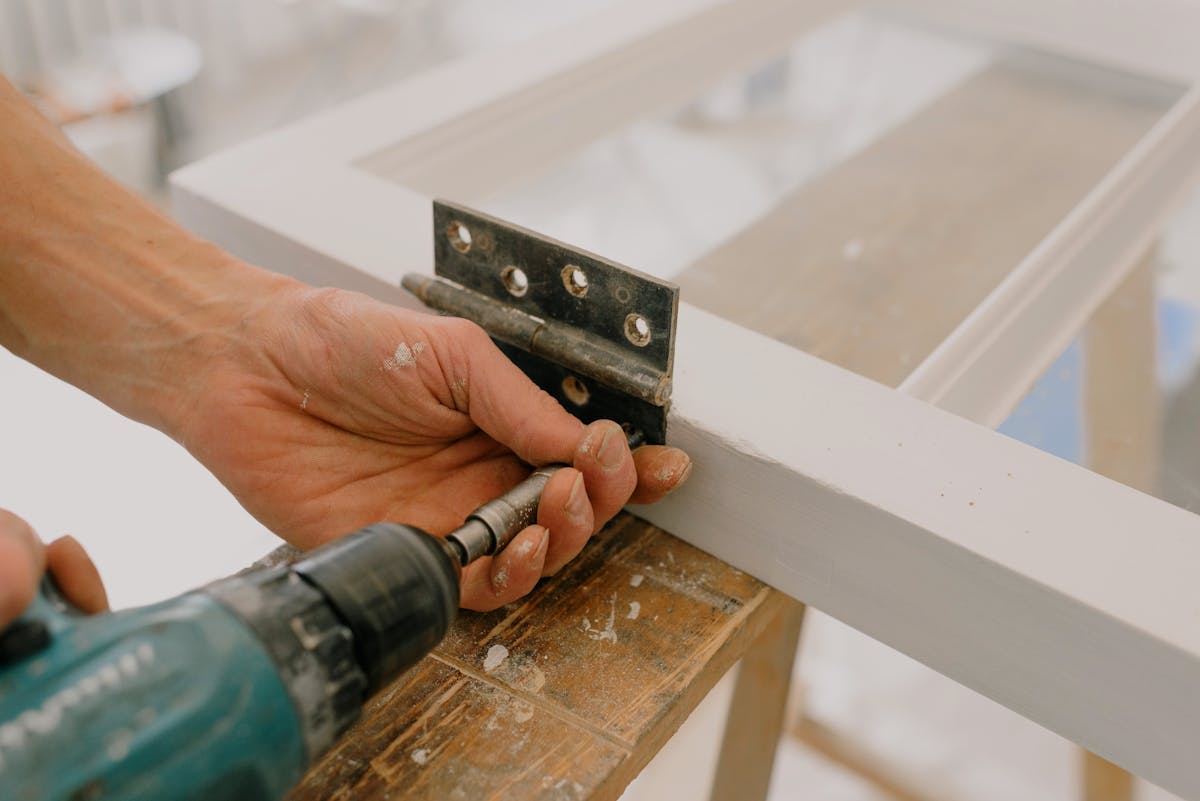
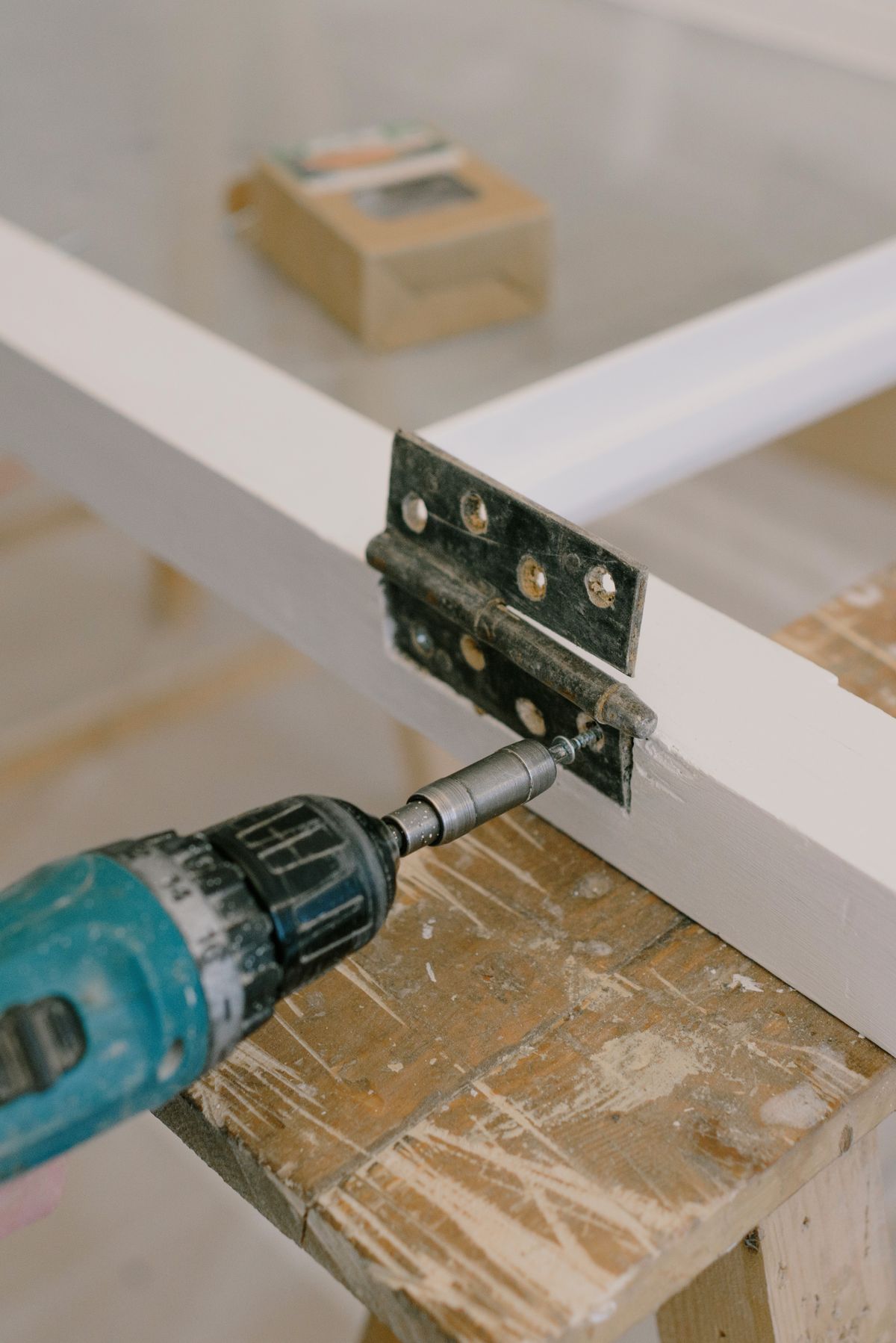
The reflex fix is to open the wall. Sometimes that genuinely is necessary, but on most residential pocket doors the hardware can be reached by removing the door stops and the head jamb trim, which are designed to come off. From there the door can be lowered out, the hangers replaced, and the track inspected and re-anchored.
Where drywall does have to come out, we open the smallest access we can and put it back cleanly. We will always tell you before we cut anything.
In humid Florida homes, pocket doors have an extra enemy. A hollow-core or unsealed wood door inside a wall cavity absorbs moisture, swells slightly, and starts rubbing the jamb. If your door only sticks in the wet months, that is what you are dealing with, and the answer is sealing the door edges rather than adjusting the hardware.
If the door has come fully off its hangers and disappeared into the wall, stop pulling on it. Forcing a loose panel inside a cavity is how the track gets bent and how the drywall gets damaged from the inside, which converts a hardware job into a wall repair.
Free onsite estimates, same-day repairs, every day 7am-9pm.