There is a structural conflict in this trade worth naming out loud. A company that sells and installs doors makes considerably more money replacing one than fixing one. That does not make everyone dishonest, but it does mean you should understand the decision yourself rather than accepting a verdict on faith.
The good news is that the assessment is not complicated. It comes down to which parts have failed, and whether those parts are the consumable ones or the structural ones.
Start with the frame, not the symptom
The frame is the one component that genuinely determines the answer. Everything else on a slider is replaceable in isolation. Rollers, tracks, locks, handles, weatherstripping, screens, and even the glass can all be swapped while the frame stays where it is.
Check for these, from inside and outside:
- Corners that have separated or opened up. A gap at a mitre joint means the frame has racked and is no longer square.
- Visible bowing in the head or sill when you sight along it.
- Rot or crumbling in the surrounding structure, particularly on older wood-framed openings and around the threshold.
- Water damage in the wall below the sill, stained drywall, soft baseboard, lifting tile grout. This can mean the flashing behind the frame has failed, which is a wall problem rather than a door problem.
- Previous impact damage where the frame has been struck hard enough to deform.
If none of that is present, your door is very likely a repair, regardless of how badly it currently operates.
A useful reframe: a door that will not slide, will not lock, and squeals is not a broken door. It is a door with four worn consumables. Those are different problems with very different price tags.
When replacement is genuinely the right call
We recommend it in a minority of cases, and usually for one of these reasons:
- The frame is compromised, per the checks above. No amount of hardware fixes a racked frame.
- You want impact rating you do not currently have. A standard slider cannot be retrofitted to a hurricane-rated assembly. If the goal is code-approved protection or an insurance credit, that requires a new impact-rated door, permitted and installed to spec.
- The door is an obsolete system with no parts. Rare, and less common than homeowners are told, but some 1970s and 1980s proprietary systems genuinely have no supply chain left.
- You are changing the opening. Going from a two-panel to a four-panel, a different width, or a different configuration is a replacement by definition.
- Energy performance is the actual goal. If you are chasing a meaningful reduction in heat gain on a large west-facing wall, new low-E insulated glass in a modern frame does something that repairing a single-pane door cannot.
When you are being oversold
Some phrases are worth pushing back on:
- "They don't make parts for these anymore." Sometimes true, frequently not. Ask which specific part, then get a second opinion from a repair specialist rather than a replacement seller.
- "Once the rollers go, the whole door is finished." Rollers are the most routinely replaced part on a slider. This is like being told a car is totalled because the tires are bald.
- "The track is damaged so the sill has to come out." Worn tracks are usually capped with a stainless cover, which is a fraction of the work and lasts better than the original aluminum did.
- "It's cheaper to replace than to fix." Ask for both numbers in writing. Occasionally true on a very large multi-panel unit needing glass plus frame work. Rarely true on a standard two-panel door.
A rough decision sequence
- Is the frame square, solid, and dry? If no, plan on replacement. If yes, continue.
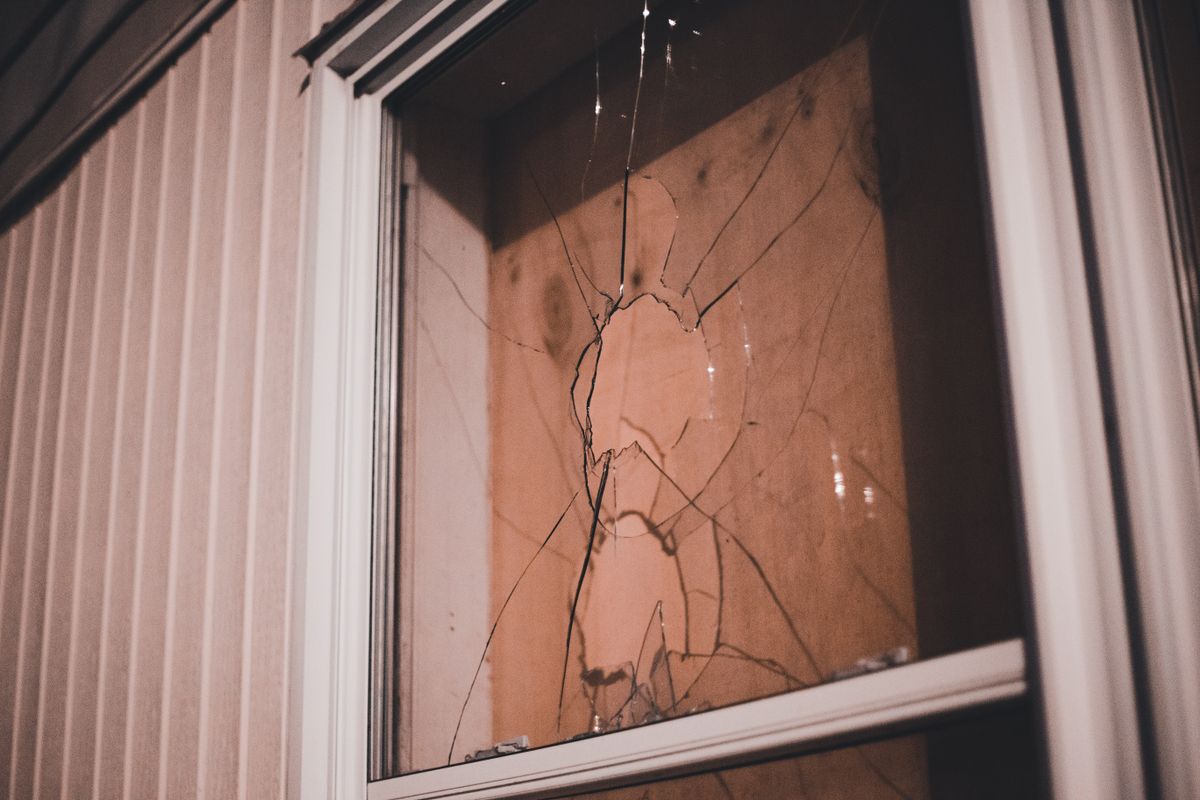
- Is the glass intact and not fogged? If fogged or cracked, that panel can usually be reglazed on its own. Continue.
- Do you specifically need impact rating or better energy performance? If yes, replacement is the honest route. If no, continue.
- Everything else is hardware. Rollers, track surface, lock, keeper, handle, sweeps, screen. All repairable, usually in a single visit.
Questions worth asking whoever quotes you
- Which specific parts have failed, and can you show me?
- What would a repair cost, and what would a replacement cost? Both in writing.
- If we repair, what material are the replacement rollers, and are they rated for coastal conditions?
- If we replace, is this permitted work, and what product approval does the unit carry?
- What happens if the repair does not hold?
A contractor who is comfortable answering all five is usually one worth hiring, whichever direction the answer goes. If you would like a second opinion on a quote you have already received, we are happy to look at it, and we will tell you plainly if replacement really is the right move.
Want it looked at by someone who does this daily?
Free onsite diagnosis anywhere in Florida, flat pricing before we start, and most doors finished in a single visit.