Rollers are the only thing standing between a 150-pound glass panel and the aluminum sill underneath it. Each panel rides on two carriages, usually with a small adjustment screw at either end that sets how high the door sits in its frame. When the wheels are healthy, that panel should move with one finger. When they are not, everything else in the door starts absorbing the abuse instead.
The pattern we see in Florida is fairly consistent. Factory rollers on a coastal home start degrading somewhere between year three and year seven. Inland, you might get a decade. Either way, the door tells you what is happening before it strands you.
1. You have started using two hands
This is the one nobody notices happening. The door gets a little heavier every month, and your body compensates without ever making a conscious decision about it. Then a guest tries to open it and cannot, and you realize how bad it has gotten.
A properly rolling panel takes a few pounds of force. If you are leaning into it, planting a foot, or grabbing with both hands, the rollers have flattened or seized.
Quick test
Open the door with one finger hooked on the handle. If it will not travel the full length of the opening that way, the wheels are the problem, not your technique.
2. It grinds, squeals, or clatters
Healthy rollers are close to silent. The sounds each mean something different:
- Grinding or crunching usually means the bearing has failed and the wheel is dragging rather than spinning, or debris has packed into the track.
- A rhythmic squeal often comes from a corroded bearing that is still turning, but barely.
- Clattering or a bumping feel tends to be a wheel that has developed a flat spot from sitting in one place under load for years.
None of these get better with lubricant. Spraying the track masks the sound for a week or two and adds a sticky film that grabs sand, which accelerates the wear you were trying to stop.
3. The panel sits crooked in the frame
Stand inside and look at the gap between the leading edge of the moving panel and the jamb it closes against. That gap should be even from top to bottom. If it is wider at the top than the bottom, or the reverse, one carriage has collapsed further than the other and the panel is hanging out of square.
This is also why locks stop working. The latch and the keeper plate were aligned when the door was plumb, and a sagging panel puts them out of register.
4. There are shiny grooves worn into the track
Look down at the sill. A track in good shape has a consistent surface. A track that has been carrying dead rollers will show polished channels, gouges, or a rolled-over lip where metal has been ploughed sideways.
Once the track is chewed up, new rollers alone will not solve it, because the fresh wheels immediately start riding on damaged metal. This is the point where a straightforward roller job turns into roller replacement plus a stainless track cap, and where waiting has actually cost you money.
The economics are simple. Rollers are an inexpensive part. Tracks are more involved. Frames and glass are the expensive end. Every month a door runs on dead wheels, the damage migrates up that list.
5. The door jumps or derails
If the panel occasionally pops out of the lower track and you have to lift it back, the roller housings have worn down enough that the wheels no longer sit deep in the channel. It will keep happening, and each derailment risks bending the track lip or cracking a corner of the glass.
Do not keep forcing it back into place. A panel that has come off once is telling you the retention geometry is gone.
6. You can see rust when you look underneath
Slide the door fully open and shine a phone light into the lower track from the inside. On plenty of Florida doors you will see orange staining, white powdery aluminum oxide, or both. That is the roller assembly shedding itself into the track.
Standard rollers use plated steel bearings. Plating is a coating, and coatings fail. Once salt-laden humidity reaches the steel underneath, the bearing is on a countdown.
What replacement actually involves
For most residential sliders, the process runs like this:
- The panel is lifted out of the frame, which on a heavy impact door usually takes two technicians.
- The old carriages come out of the bottom rail and the rail is cleaned of accumulated grit and corrosion.
- New carriages are fitted, ideally stainless steel or brass tandem units rather than the plated originals.
- The track is cleaned and, if it is worn, capped with a stainless cover.
- The panel goes back in and both adjustment screws are set so the door hangs square and the lock engages cleanly.
On a typical door this is a single visit, usually well under two hours. The part that takes judgment is not the swap itself, it is diagnosing whether the track and the lock alignment also need attention, because doing the wheels alone on a damaged track is a repair that comes back.
Should you do it yourself?
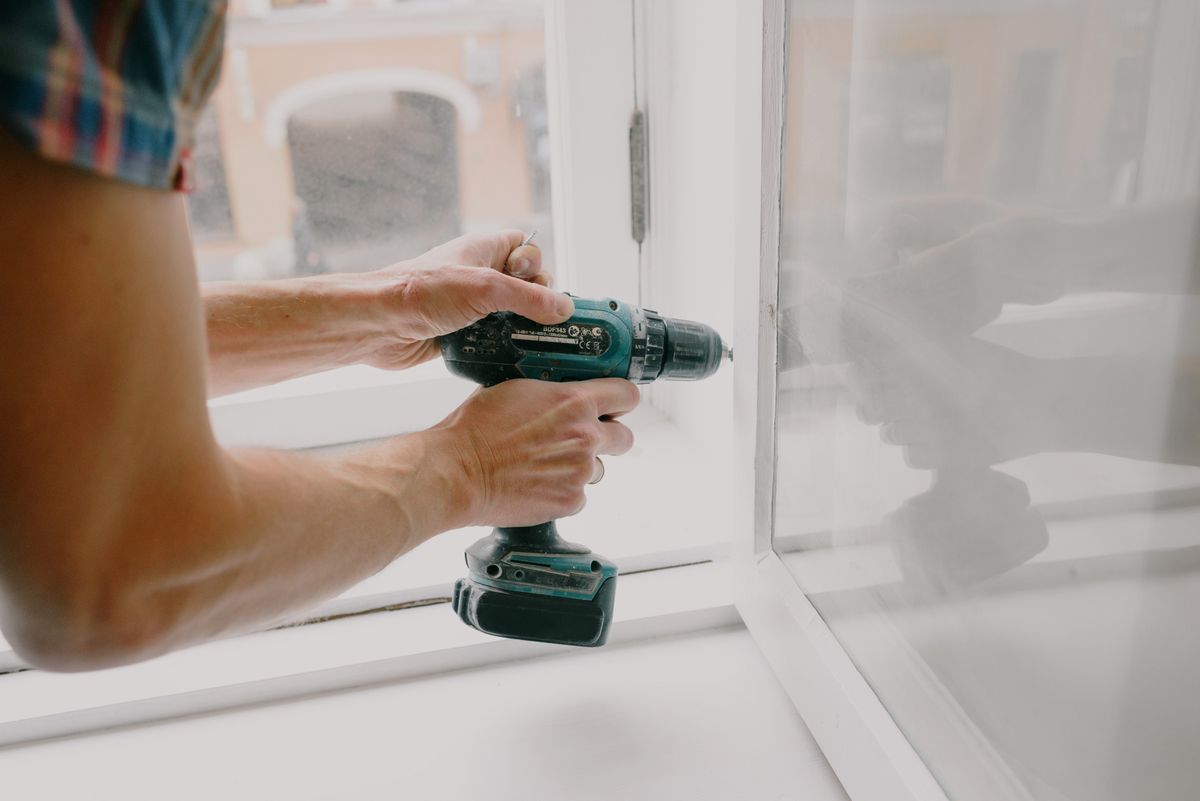
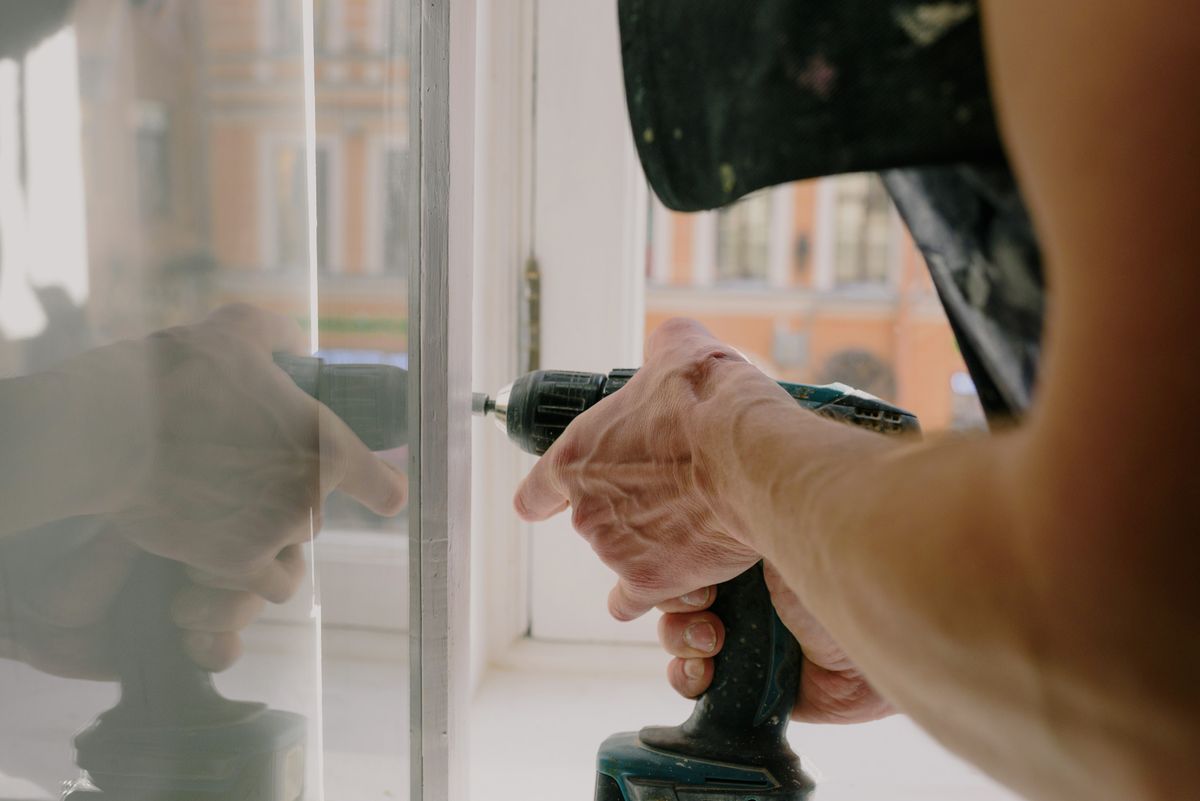
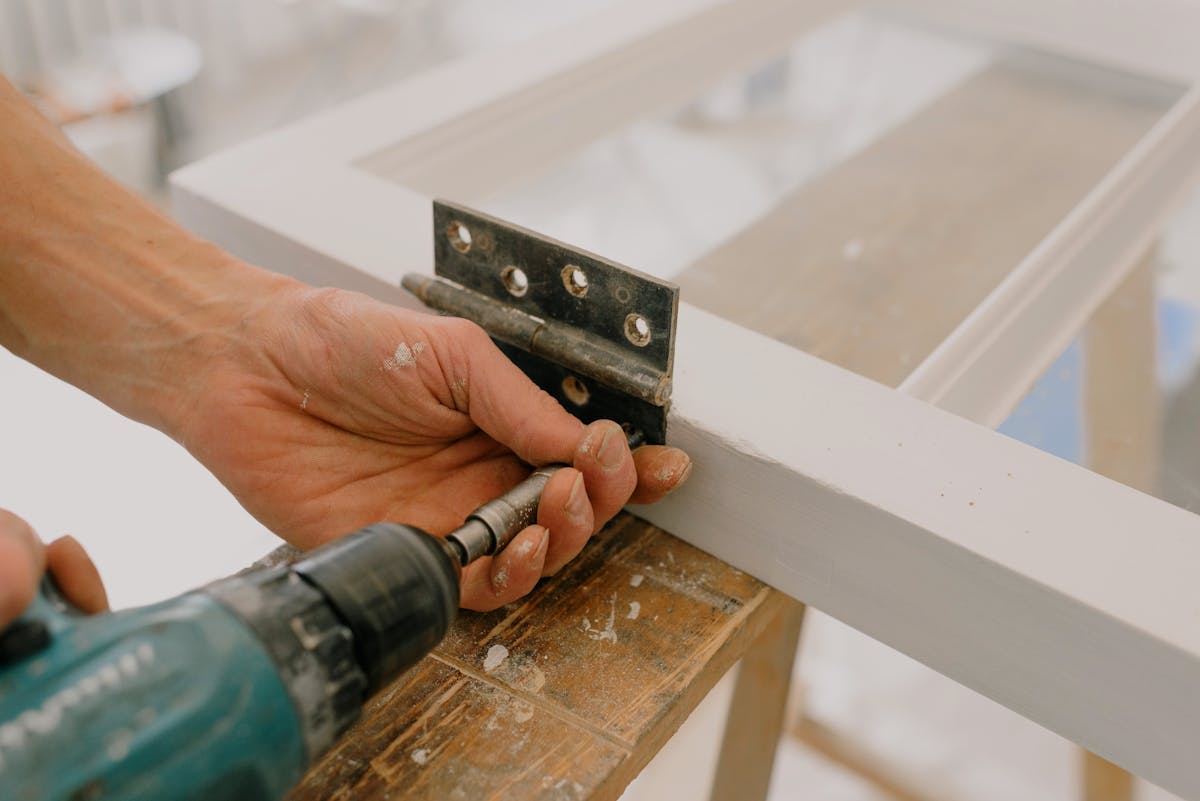
Some people can. If you have a lightweight interior slider, two capable people, and the correct replacement carriages already in hand, it is a reasonable weekend job. The risks worth naming honestly: a full-height impact panel can weigh well over 200 pounds, tempered glass fails without warning when it is twisted or dropped, and buying the wrong carriage pattern is easy because manufacturers changed designs constantly.
If the door is large, impact-rated, on a second floor, or above tile you care about, it is worth having someone who does this every day handle the lift.
Want it looked at by someone who does this daily?
Free onsite diagnosis anywhere in Florida, flat pricing before we start, and most doors finished in a single visit.